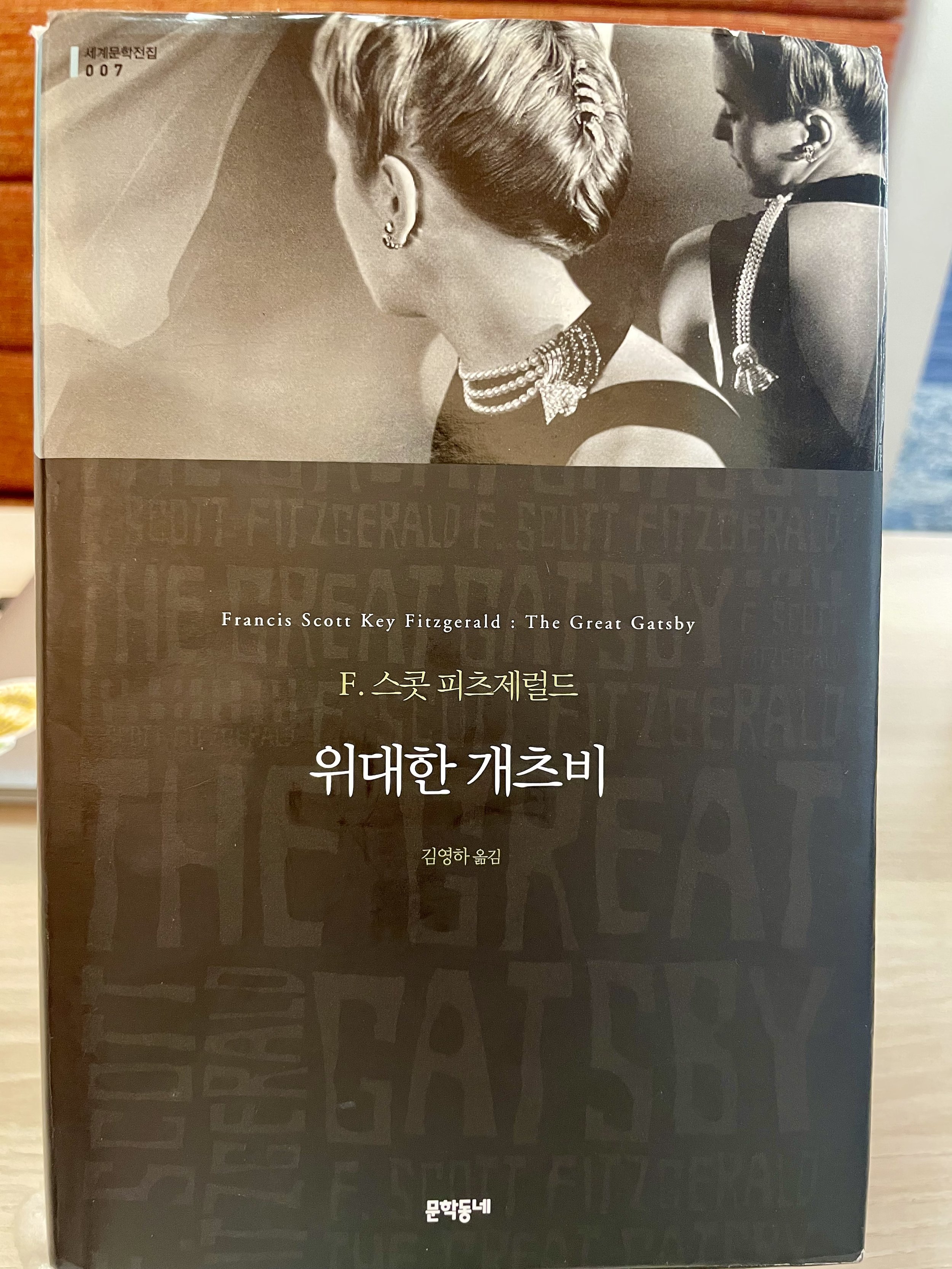
One question stayed with me from the very beginning: Why is Gatsby called “GREAT”?
Gatsby is often described through willpower, purity, sincerity, passion, and relentless devotion to a dream. He was honest about what he wanted and fiercely devoted to it—even when that dream was, perhaps, an illusion.
Gatsby is “great” not because he succeeded, but because of his attitude—how fiercely and sincerely he believed, even though his dream ultimately failed. In a world full of hypocrisy and performance, Gatsby’s sincerity stands out. And yet, that same sincerity is what makes him even more tragic.
One idea I kept returning to while reading was this: Purity does not always mean correctness.
Everything Gatsby built—his wealth, his extravagant parties, his carefully constructed image—was directed toward one person: Daisy. But Daisy was not waiting at the end of that road. His pure belief did not save him; instead, it carried him toward a devastating ending. He paid a heavy price for holding onto a single dream for too long.
This made me ask myself: What if my intentions are pure, but my beliefs are not right? How do I learn to hold beliefs that are not only sincere, but also right? 💡
Two aspects of the explanatory notes stood out to me.
First, written between World War I and World War II, the novel reflects the American Dream of the 1920s—bold, optimistic, yet fragile. Gatsby represents new money, while Tom Buchanan embodies old money, so secure in privilege that he barely even notices Gatsby’s existence, no matter how brightly Gatsby shines.
Second, there is a bitter irony: Daisy is in love with the idea of love, while Gatsby is in love with the image of himself as a lover. They believe they love each other, but in truth, each is loving a reflection of themselves.
When I finished the book, I returned to the opening lines, where Nick recalls his father’s advice: “Whenever you feel like criticizing anyone, just remember that all the people in this world haven’t had the advantages that you’ve had.”
Even as he witnesses hypocrisy and vanity, Nick resists rushing to judgment. His awareness that nothing is for granted—shaped by humility and recognition of advantage—allows him to see Gatsby not only as a man chasing an illusion, but as someone sincere, hopeful, and ultimately “great.” Perhaps Gatsby is called “great” not only because of who he was, but because someone chose to see him with generosity rather than judgment.
Now I’m curious to see how this story is interpreted in the film and the musical—how they portray Gatsby’s great but tragic purity.
#TheGreatGatsby #ReadingReflection #Literature #AmericanDream #PurityAndIllusion #Humility #Gratitude